
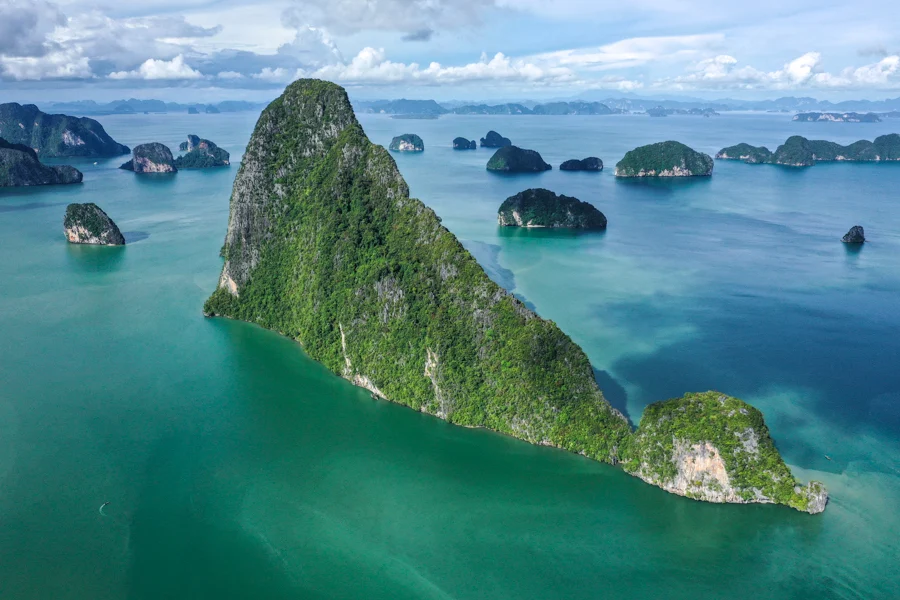
Best Time to Visit James Bond Island – Weather, Tides & Crowds
James Bond Island (Khao Phing Kan) can be visited year‑round, but the experience changes dramatically with the seasons. The dry season brings calm seas and blue skies, while the monsoon brings wind, waves, and fewer tourists. This guide breaks down each month, explains how tides affect the famous beach, and helps you choose the best time for your trip. No hype – just weather data and honest advice.
⛅ Plan your perfect visit ⛅
Check our recommended months and book a tour accordingly. Prices vary slightly by season. Tours start around 1,500 THB per person in high season.
🚤 See Tour Availability →Overview – Dry Season vs. Green Season
Thailand has three main seasons: cool dry (November to February), hot dry (March to May), and rainy / green (June to October). For Phang Nga Bay, the best conditions are from November to April. However, each period has pros and cons:
- November – February: Cool (25‑30°C), low humidity, calm seas, clear skies. Peak tourist season. Prices higher, crowds bigger. The best time for photography and snorkelling.
- March – May: Hot (30‑35°C), high humidity, still mostly calm seas. Fewer tourists than high season. Good for budget travellers. Midday heat can be intense.
- June – October: Rainy, windy, rough seas (especially July and August). Some tours cancelled. Very few tourists, low prices. The bay can be moody and dramatic. Some caves only accessible at higher water levels.
Month‑by‑Month Guide
January: Perfect weather. Blue skies, light winds, sea temperature 28°C. Crowded – book tours at least 1‑2 weeks ahead. Low tide occurs around mid‑morning or late afternoon – check schedule. Excellent for sunset photos.
February: Still ideal. Similar to January, but fewer tourists after Chinese New Year (which varies). Still peak season. Water visibility for snorkelling is best this month (up to 15 metres).
March: Beginning of hot season. Mornings are pleasant, afternoons hot (33°C). Sea remains calm. Crowds thin out. Good for those who don’t mind heat. The beach on James Bond Island is often dry at low tide – perfect for walking.
April: Very hot – up to 36°C. Humidity rises. Sea still calm. Songkran (Thai New Year, 13‑15 April) – tours may be disrupted due to water fights and public holidays. Book in advance. Afternoon tours are not recommended – do morning only.
May: Start of monsoon. Rain showers possible, but often short (1‑2 hours). Sea starts getting choppy, especially in the afternoon. Longtail boats can be bumpy; speedboats are better. Fewer tourists, lower prices. Low tide times shift to mid‑day.
June – August: Peak of the rainy season. Frequent heavy rain, especially in the afternoon. Strong winds from the southwest. Tours may be cancelled if waves exceed 1.5 metres. Those that run are quiet – you may have the island almost to yourself. Visibility for snorkelling poor (3‑5 metres). However, the karsts look dramatic against dark clouds. If you go, take motion sickness tablets.
September – October: Still rainy, but slightly calmer than July‑August. October is transition: rain decreases toward the end. Some days are fully clear. Low season prices are lowest. The risk of cancelled tours is still moderate. By late October, conditions improve significantly.
November – December: Return of the dry season. The bay becomes calm and clear again. November can still have occasional showers, but December is mostly perfect. Crowds return, especially for the Christmas‑New Year period (20 Dec – 5 Jan). Book tours well in advance for these dates. Low tide occurs around sunrise or sunset – beautiful light for photos.
Tide Considerations – The Beach Appears Only at Low Tide
One of the main attractions of James Bond Island is the small beach that connects the two limestone hills – you can walk between them only at low tide. At high tide, the water covers the sand completely. Therefore, choosing a tour that visits during low tide is very important. Most experienced tour operators check tide tables and schedule the stop accordingly. If you book a private tour, you can choose the timing yourself. Low tide occurs roughly twice a day, with times shifting by about an hour each day. You can look up “Phang Nga Bay tide table” online for your specific date. Aim for a low tide between 9 AM and 2 PM – this fits nicely with typical tour schedules. A very early (6 AM) or very late (6 PM) low tide may not be covered by group tours.
If your tour arrives at high tide, you will see the same rock formations but you cannot walk on the beach. You can still take photos from the boat or from a small floating pier. It is not a disaster, but it is a different experience. If walking on the sand is important to you, ask your tour operator about their tide planning before booking.
Crowd Levels – When is the Island Less Busy?
James Bond Island is one of the most visited spots in Thailand. On a peak day (December, January, February) more than 2,000 people may visit between 9 AM and 4 PM. The small beach becomes very crowded. To avoid the biggest crowds:
- Visit during the low season (May to October). You may have the beach almost to yourself, but risk rain and cancellations.
- Arrive very early (first tour of the day – around 8:30‑9 AM) or late (last tour – around 2‑3 PM). Mid‑day (11 AM – 1 PM) is worst.
- Book a private tour that can adjust timing or go to alternative islands if James Bond Island is packed.
- Visit on weekdays (Monday‑Thursday). Weekends and Thai holidays are busier.
Keep in mind that even at its busiest, the island is manageable. The crowd tends to cluster around the “James Bond Island” sign. Walk a bit farther to the quieter end of the beach for more space.
Special Events and Holidays That Affect Tours
On the following dates, expect closures, reduced services, or packed tours:
- Songkran (13‑15 April): Thai New Year. Water fights everywhere. Some tour operators close or offer reduced schedules. Check ahead.
- Loy Krathong (November, full moon): Evening boat trips may be cancelled because locals float krathong baskets in the bay. Day tours run normally.
- Ramadan (date varies, lasts one month): Muslim villages like Koh Panyee close most restaurants during daylight hours. Tours still run, but lunch may be moved to another location or served on the boat.
- Chinese New Year (January/February): Many Chinese tourists visit, so tours sell out quickly. Book at least 2 weeks in advance.
- Christmas & New Year (20 Dec – 5 Jan): Peak crowds and higher prices. Some tours have special Christmas lunches (more expensive).
Best Time for Photography
The golden hours – just after sunrise (6‑8 AM) and just before sunset (4‑6 PM) – give the best light. The limestone karsts turn golden, and shadows are long. Most group tours do not operate at these times because they run 9 AM to 4 PM. However, some private sunrise tours are available (depart around 6 AM) and sunset tours (return around 6:30 PM). These cost a bit more but are worth it for serious photographers. The dry season (November‑February) offers the clearest skies, while the rainy season (June‑October) can produce dramatic storm clouds that make the rock look dark and moody.
Best Time for Snorkelling and Kayaking
Snorkelling is best from November to April. The water visibility can reach 10‑15 metres. From May to October, rain and wind stir up sediment, reducing visibility to 3‑5 metres. Kayaking (through caves) is possible year‑round, but the best conditions are also during the dry season when the sea is calm. During the rainy season, high water levels may actually allow you to enter some caves that are too shallow at low tide – but the entrance can be rougher. Always follow your guide’s advice.
Best Time for Families with Young Children
Choose the dry season (November‑February) for calm seas and stable weather. The boat ride will be smoother, and you can swim safely. Avoid the hot months (March‑May) – the midday heat can be too intense for small children. Avoid the rainy season (June‑October) because rough seas can cause seasickness and cancelled tours. If you must travel in rainy season, choose a big boat (more stable) rather than a speedboat or longtail.
Best Time for Budget Travellers
Low season (May‑October) offers the lowest tour prices – sometimes 20‑30% cheaper than high season. Hotels in Phuket and Krabi also have discounts. However, you risk rain and cancellations. Shoulder months (March, April, November) offer a balance: reasonable prices and mostly good weather. Avoid December and January if you are on a tight budget.
How to Check Weather and Tides Before Booking
Use reliable sources: the Thai Meteorological Department website for weather forecasts (7‑10 days ahead), and websites like Tide Forecast or Tides4Fishing for Phang Nga Bay tide tables. For general travel planning, the “best time” advice above is more reliable than short‑term forecasts made months ahead. If you book a tour, most operators allow free cancellation up to 24‑48 hours before if the forecast predicts storms – read the policy carefully.
Frequently Asked Questions About the Best Time to Visit
Q: Can I visit James Bond Island in July?
A: Yes, but tours may be cancelled on days with strong wind. If they run, the boat ride will be bumpy. Take motion sickness tablets.
Q: What is the cheapest month to visit?
A: September and October usually have the lowest tour prices. However, you may need to rebook if tours are cancelled.
Q: Does it rain all day in the monsoon?
A: No. Usually, rain comes in short, heavy showers (1‑2 hours) in the afternoon. Mornings are often clear. Tours that start early can still be enjoyable.
Q: When is the best time to see the beach at low tide?
A: Check a tide table for your specific date. Generally, low tide happens twice per day, shifting by an hour each day. Aim for a low tide between 9 AM and 2 PM.
Q: Is the island open during public holidays?
A: Yes, the national park is open every day of the year. However, some tour operators may close on Songkran (13‑15 April).
Q: Which month has the most tourists?
A: December and January. Avoid these if you dislike crowds.
Final Word From Local Experts
There is no “wrong” time to visit James Bond Island – only different experiences. In the dry season, you get postcard weather and many fellow travellers. In the green season, you get quiet beaches and dramatic skies. The limestone karsts look spectacular in both. The most important factor is not the month but the tide – that is what reveals the famous beach. Plan around low tide, keep a “jai yen yen” (cool heart), and remember “Mai pen rai” if the weather does not cooperate. The bay has been here for 250 million years – it will welcome you whatever the season.
Book your tour, pack your sunscreen, and come enjoy one of the world’s most beautiful seascapes.
— Written by the team at VisitJamesBondIsland.com